PROGRAM: Hotel AREA: 12,345 m² LOCATION: São Miguel Arcanjo, Brasil STATUS: Concept TIMEFRAME: 2015–2016
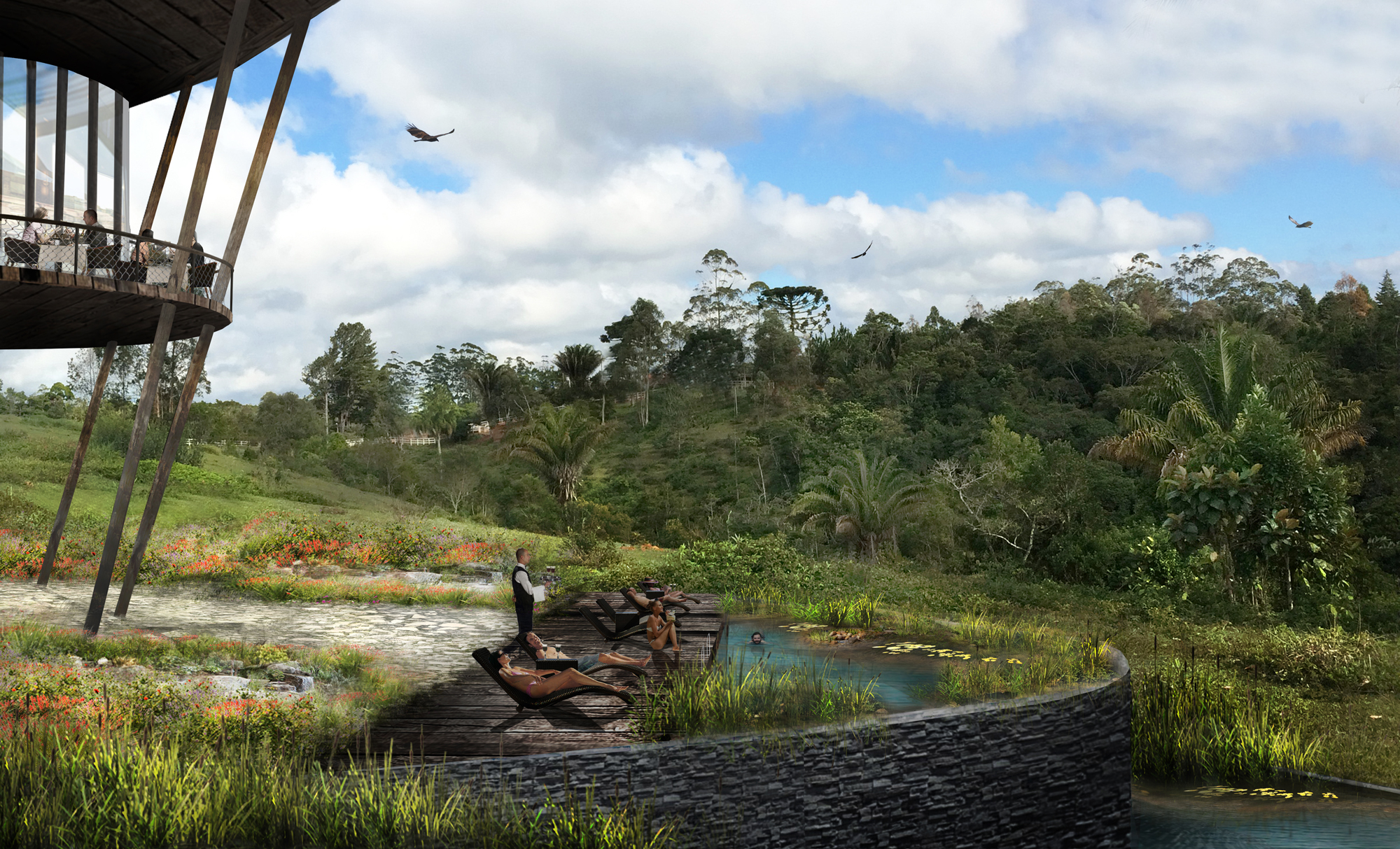
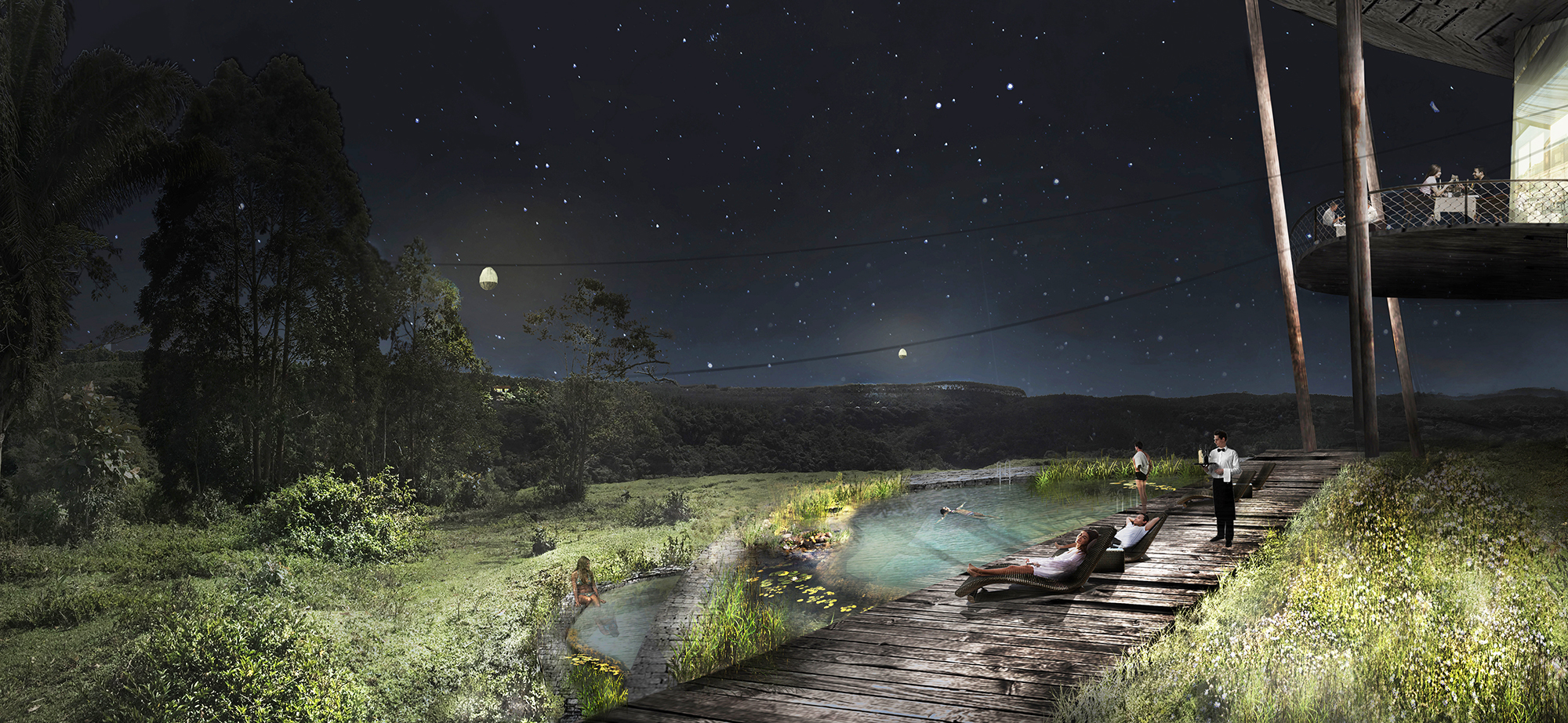
Located near Carlos Botelho State Park in Brazil’s Atlantic Forest, the project understands architecture as part of an ecological system that should be preserved and reinforced.
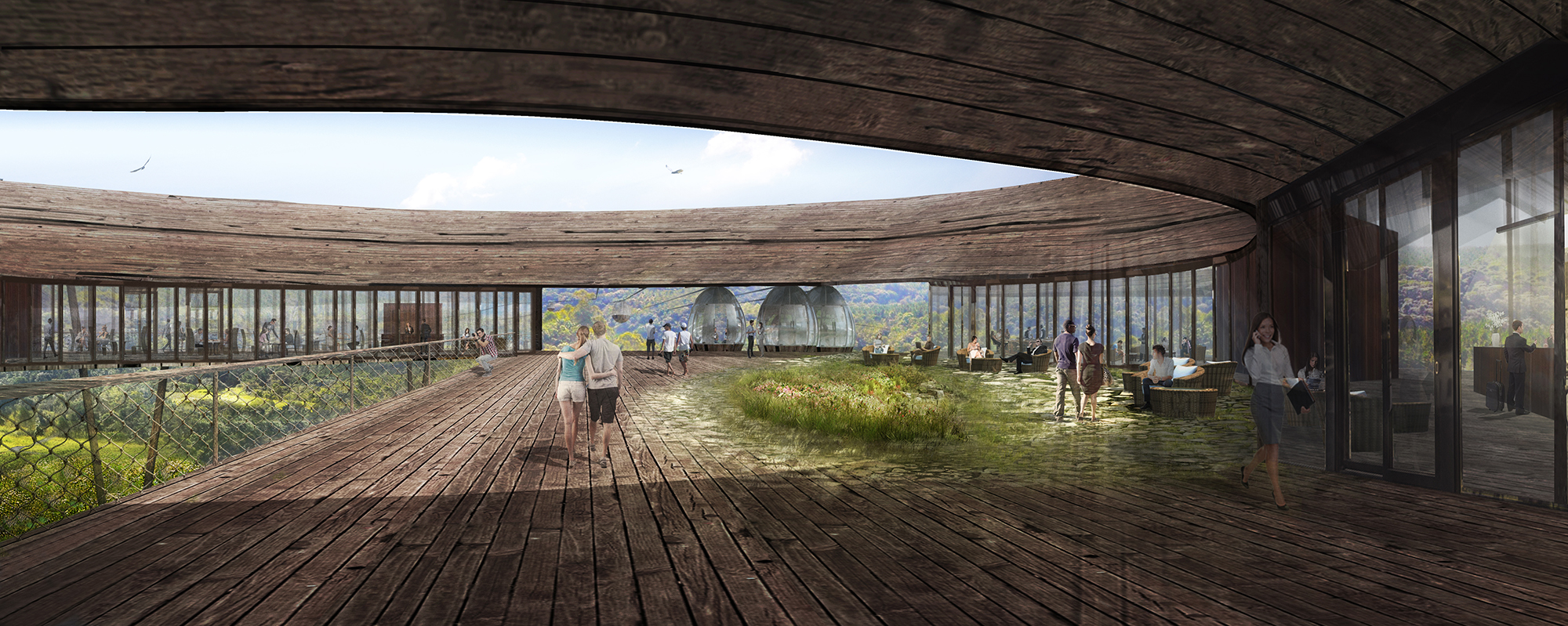
The architecture reinterprets local building traditions and geometries found in nature through a contemporary language. Reusing timber from the site, replanting native species, and integrating energy-generation and water-reuse systems form part of a strategy that reduces impact while strengthening the relationship between tourism, landscape and architecture.
DESIGN CONCEPT
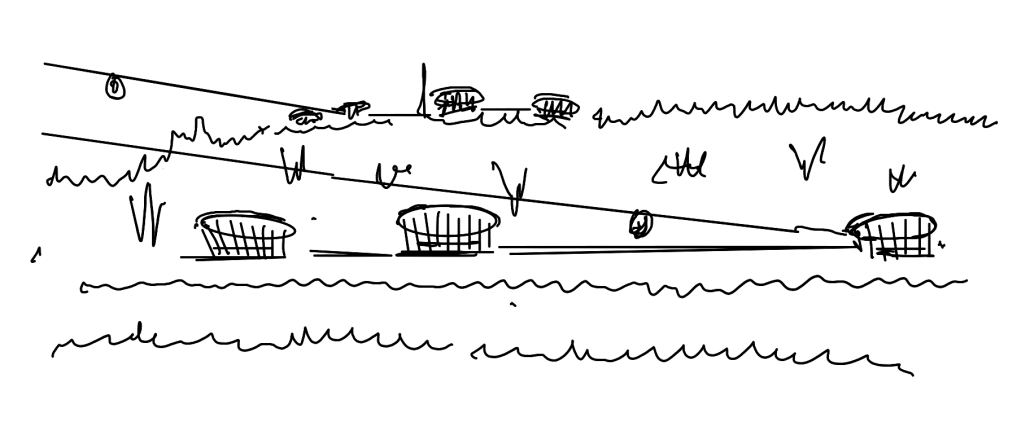
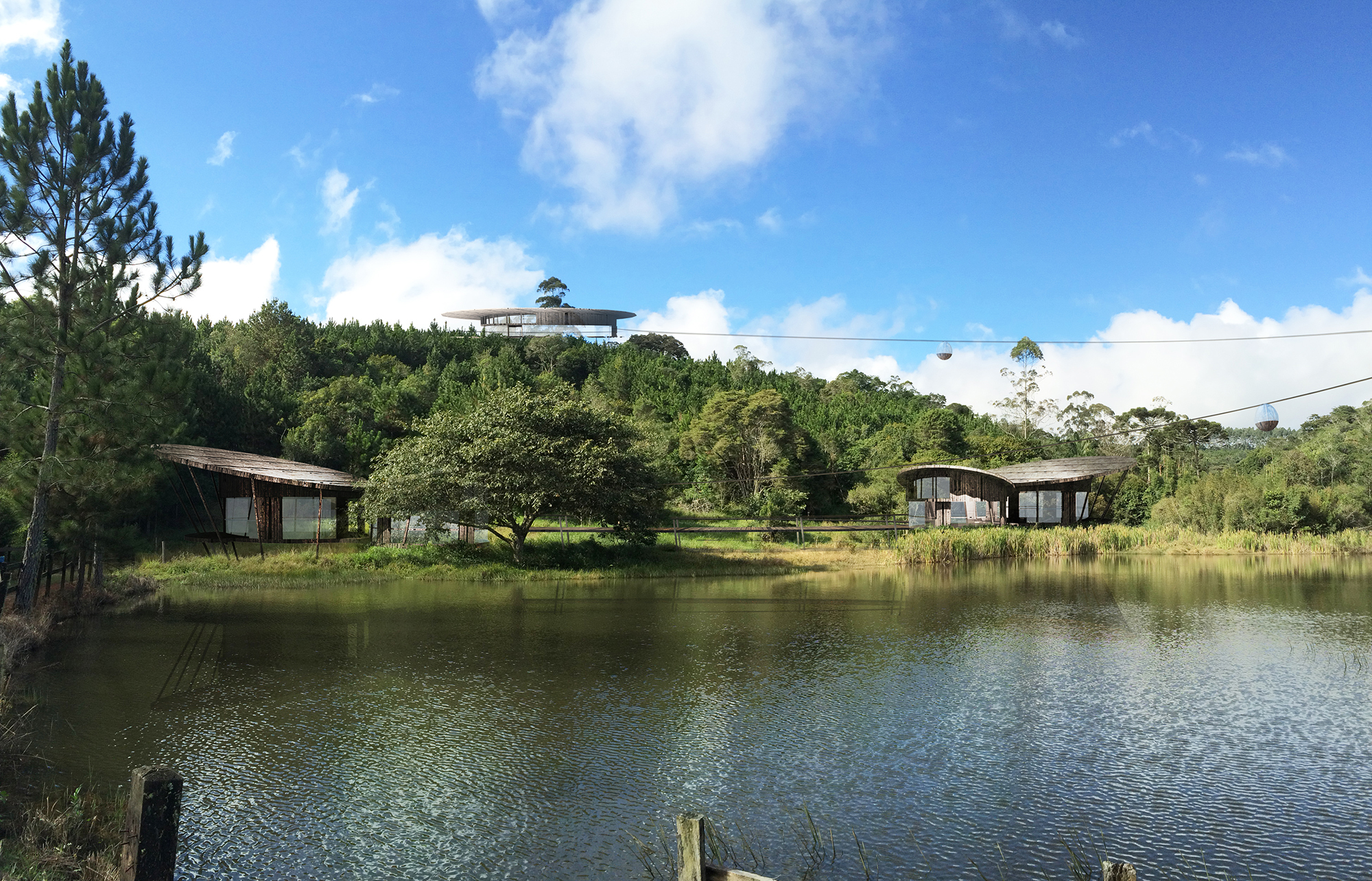
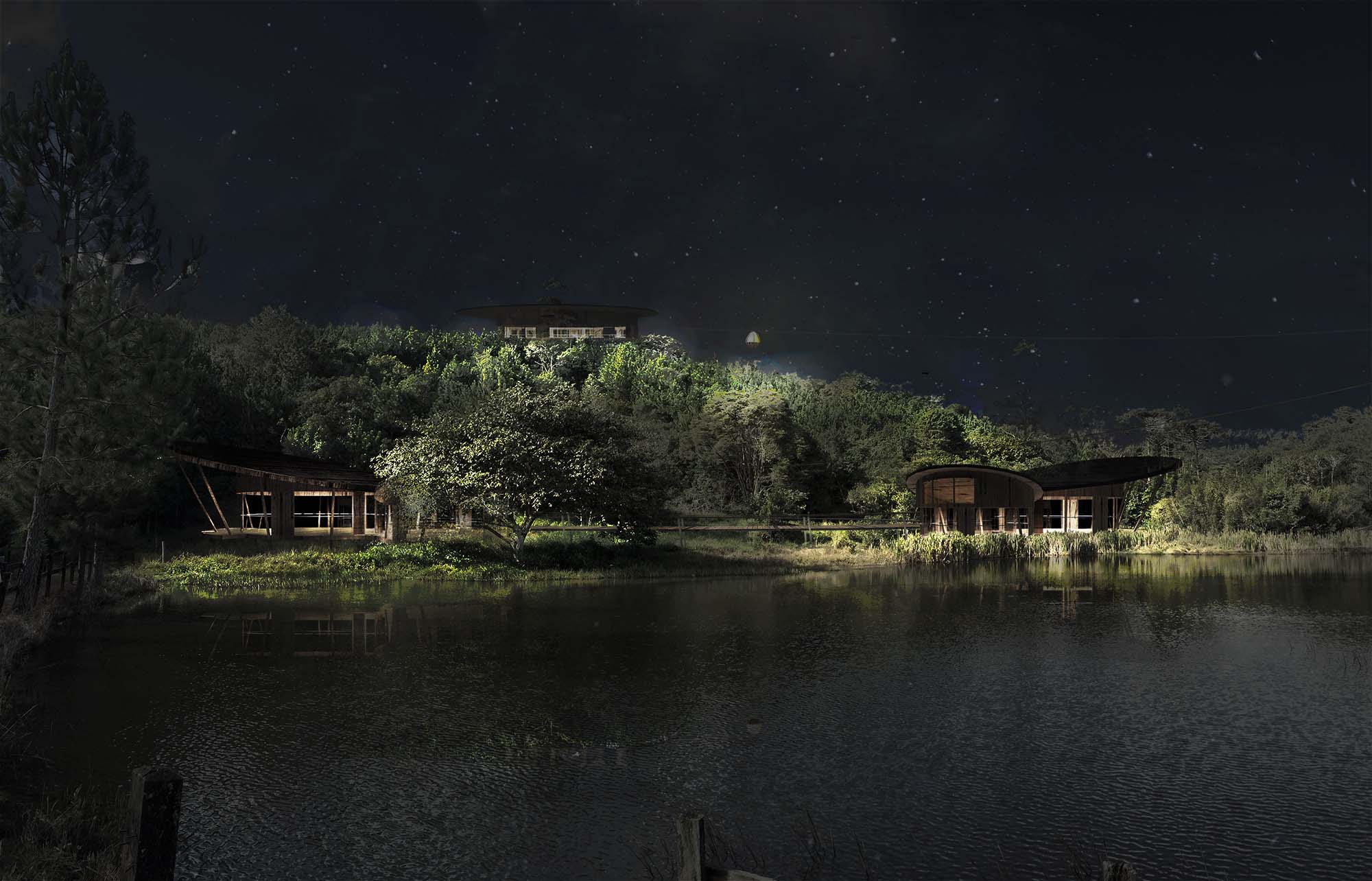
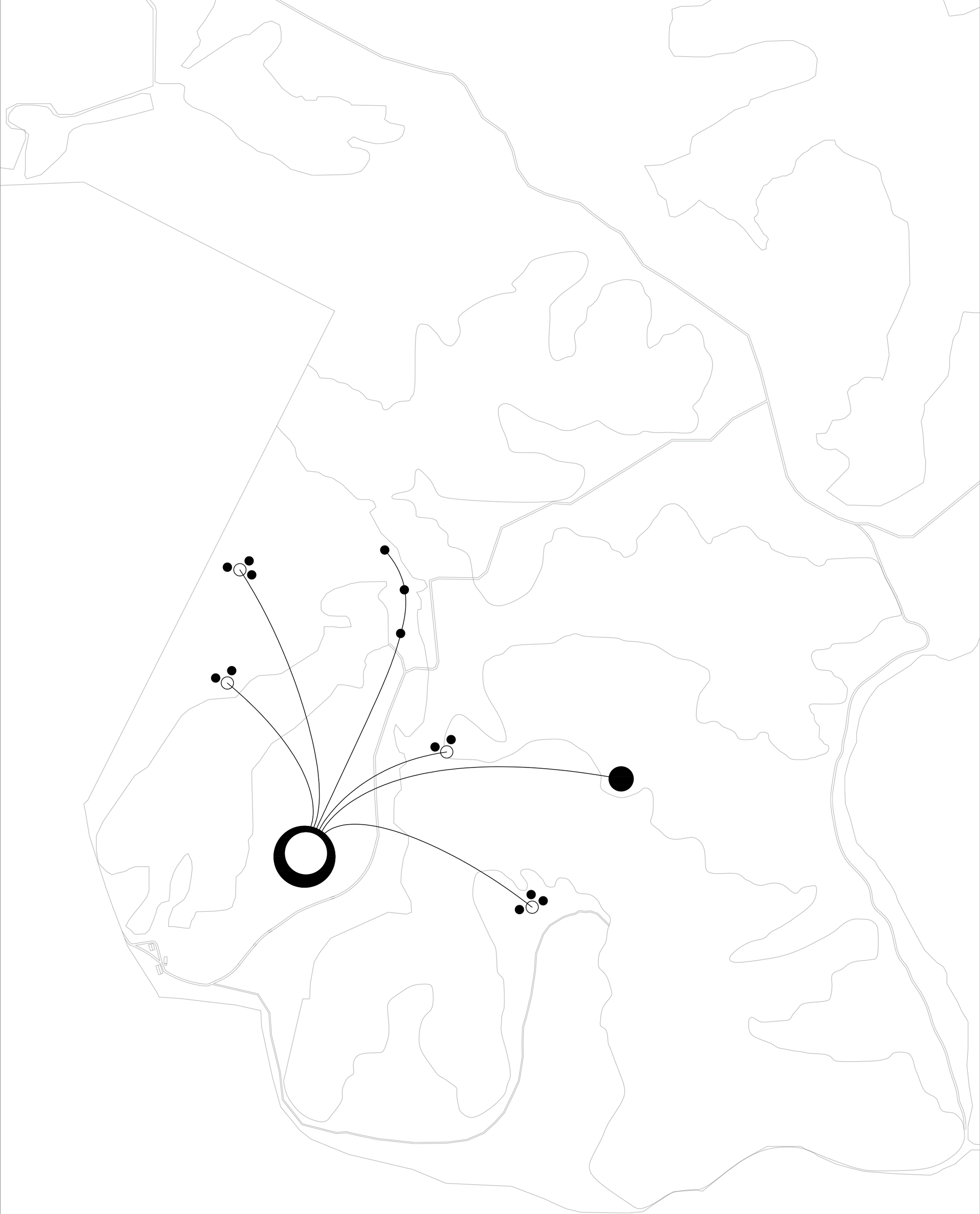
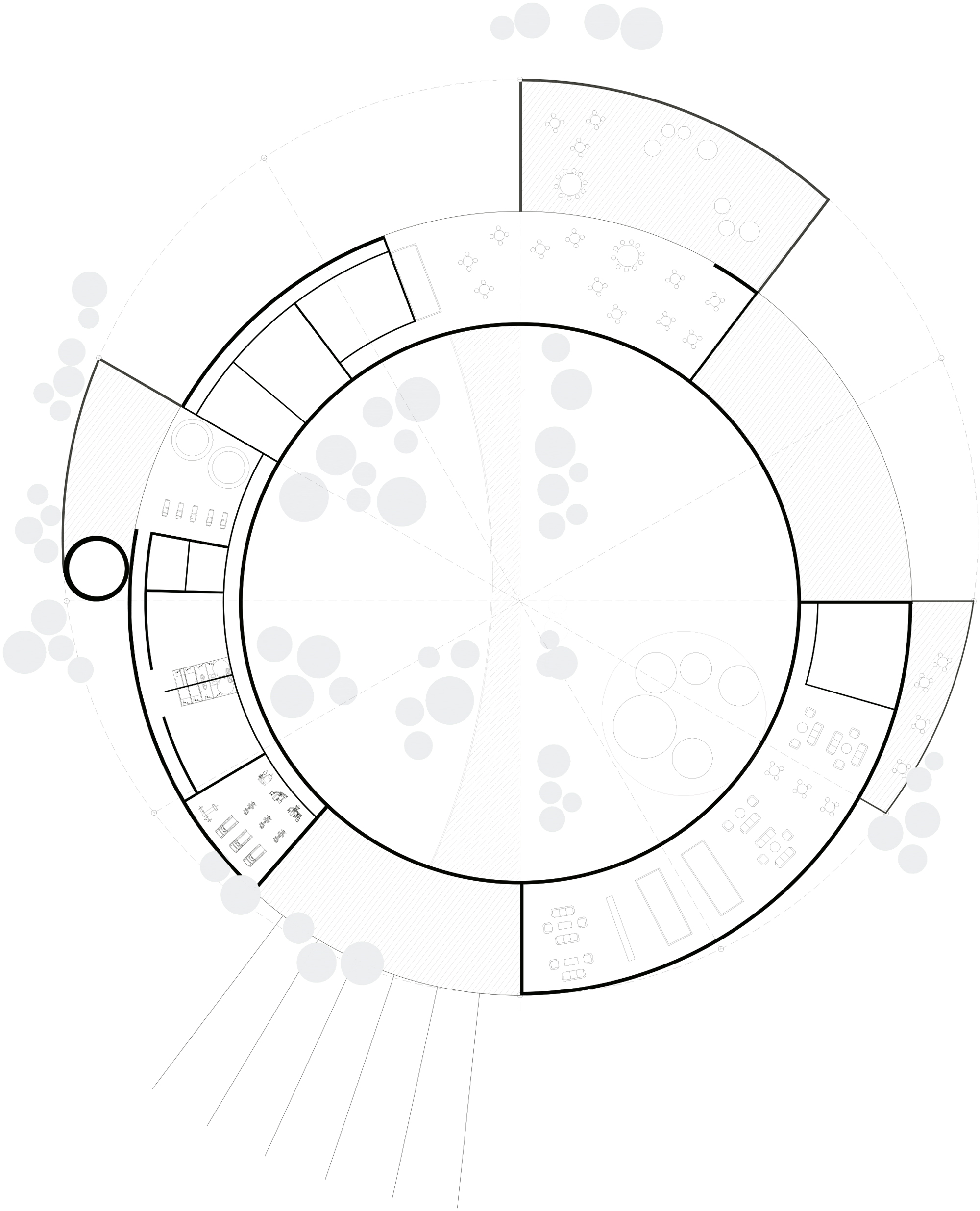
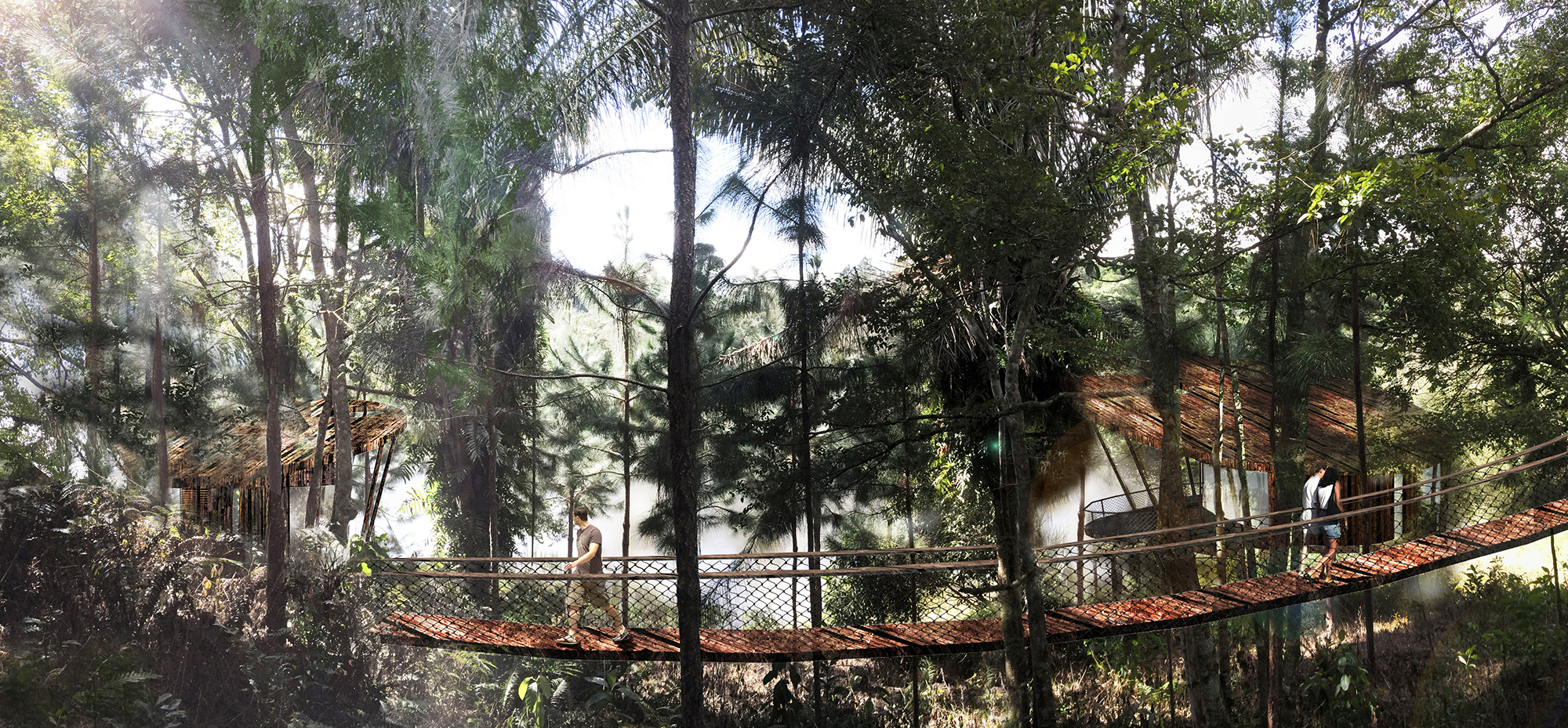
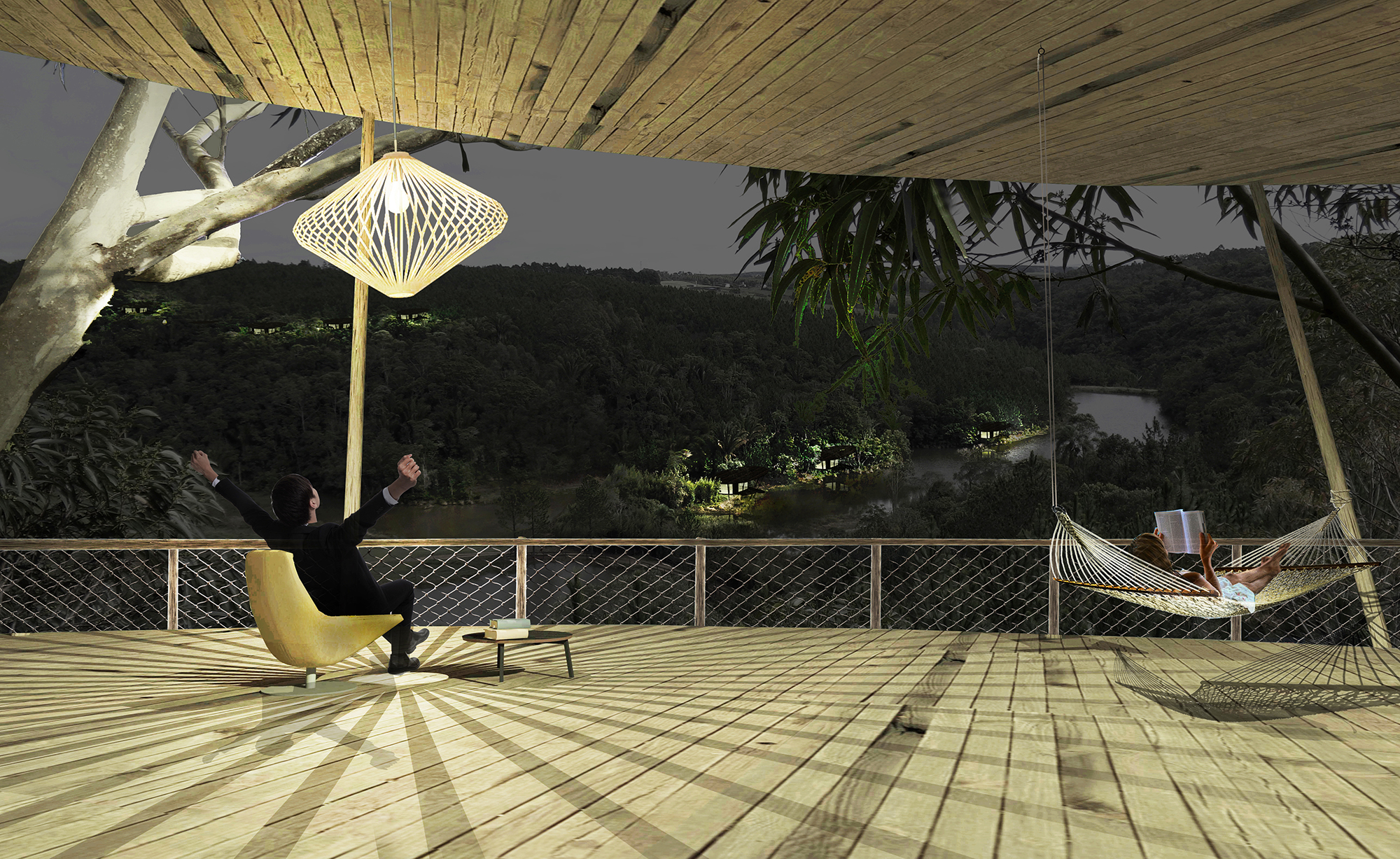
Fifteen independent villas and a main building are distributed according to topography, existing vegetation, views and privacy. The fragmented layout responds to the site’s topography and existing vegetation, minimizing ground disturbance and avoiding building concentrations that could disrupt the ecological balance. Each villa is conceived as an autonomous volume, establishing its own direct and intimate relationship with the forest.
The new architecture draws inspiration from local indigenous constructions and the geometry of nature itself, respecting and integrating into the landscape while embracing contemporary design and comfort.
PASSIVE AND ACTIVE SYSTEMS
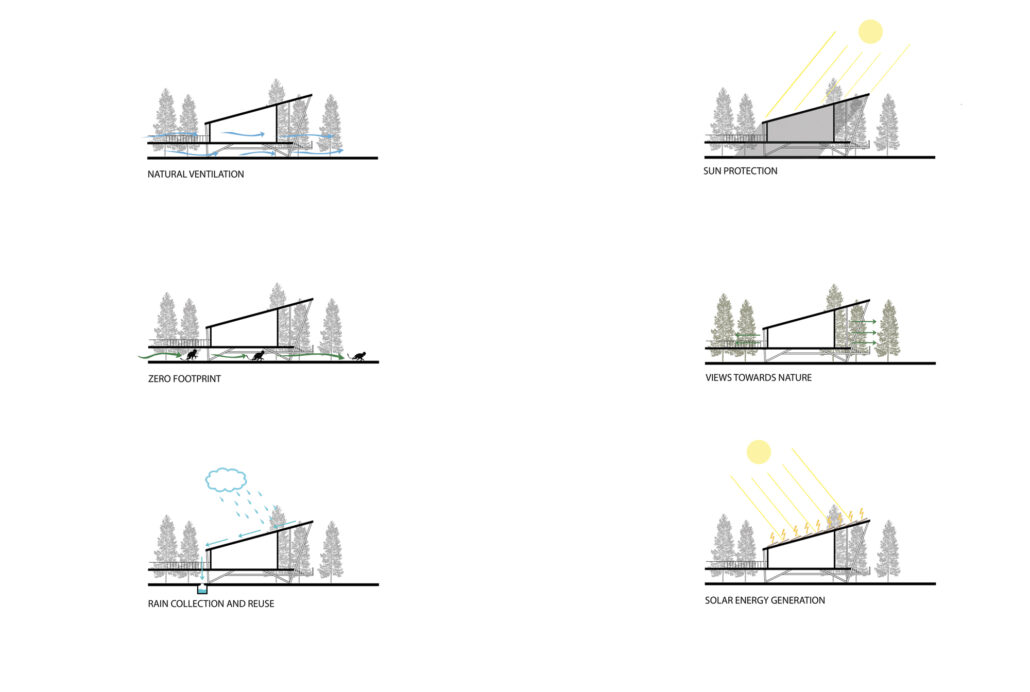
The project is conceived in an integrated manner with the aim of generating a positive environmental impact. The wood resulting from necessary tree felling is reused in the construction of the new volumes, reducing the need for external materials and reinforcing the material coherence of the whole. At the same time, native species are replanted around the buildings, contributing to the regeneration of the local ecosystem.
Furthermore, priority is given to the use of materials sourced from the site itself, and energy production and water reuse systems are incorporated, allowing high levels of self-sufficiency. These strategies reinforce the idea of a closed system in which resources are managed efficiently and responsibly.
ENVIRONMENTAL IMPACT AND CONSTRUCTION
The project proposes a reading of architecture as an active part of the ecosystem, in which tourism, nature, and built space are integrated into a single environmental logic. Architecture does not impose itself on the landscape, but emerges from it, adapting to its patterns and contributing to its long-term preservation.
CREDITS
DIRECTOR: Xavier Vilalta PROJECT LEADER: Maite Boren PROJECT TEAM: Dora Kerner, Krisztina Sárdi, Catarina Zappacosta, Monika Godlewska
Este sitio web utiliza cookies para mejorar su experiencia. Suponemos que aceptas su uso pero puedes salir de la página si así lo deseas.AcceptRead more
Privacy & Cookies Policy
Privacy Overview
This website uses cookies to improve your experience while you navigate through the website. Out of these, the cookies that are categorized as necessary are stored on your browser as they are essential for the working of basic functionalities of the website. We also use third-party cookies that help us analyze and understand how you use this website. These cookies will be stored in your browser only with your consent. You also have the option to opt-out of these cookies. But opting out of some of these cookies may affect your browsing experience.
Necessary cookies are absolutely essential for the website to function properly. This category only includes cookies that ensures basic functionalities and security features of the website. These cookies do not store any personal information.
Any cookies that may not be particularly necessary for the website to function and is used specifically to collect user personal data via analytics, ads, other embedded contents are termed as non-necessary cookies. It is mandatory to procure user consent prior to running these cookies on your website.